
The Essence of Innovative Architecture Concepts

Architecture is a discipline that continuously evolves, shaped by cultural shifts, technological advancements, and environmental considerations. The essence of innovative architecture concepts lies in the ability to blend creativity with functionality, sustainability with aesthetics, and tradition with modernity. This article explores the core principles and emerging trends that define contemporary architectural design, offering insights that are particularly valuable for architecture students, architects, and interior designers.
Understanding the Foundations of Innovative Architecture Concepts
Innovative architecture concepts are grounded in a deep understanding of space, form, and function. At its core, architecture is about creating environments that respond to human needs while respecting the context in which they exist. This requires a balance between artistic expression and practical application.
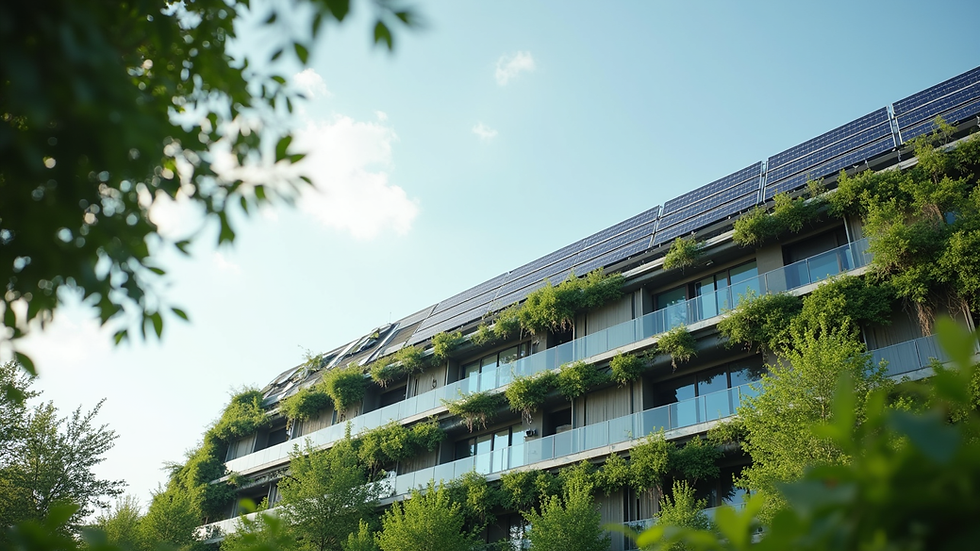
One fundamental aspect is the integration of sustainability. Modern designs increasingly prioritize energy efficiency, use of renewable materials, and minimal environmental impact. For example, buildings that incorporate green roofs, solar panels, and natural ventilation systems demonstrate how innovation can reduce carbon footprints while enhancing occupant comfort.
Another key element is adaptive reuse. This approach involves repurposing existing structures to serve new functions, preserving cultural heritage while meeting contemporary demands. Adaptive reuse projects often challenge architects to think creatively about spatial constraints and historical context, resulting in unique and meaningful designs.
In addition, technological integration plays a crucial role. The use of Building Information Modeling (BIM), parametric design tools, and virtual reality allows architects to visualize and optimize their projects with unprecedented precision. These technologies facilitate collaboration across disciplines and enable more efficient construction processes.
Exploring Innovative Architecture Concepts in Practice
The practical application of innovative architecture concepts can be observed in various landmark projects worldwide. These examples illustrate how theoretical principles translate into tangible structures that inspire and function effectively.
One notable trend is the emphasis on biophilic design, which seeks to connect occupants with nature. This can be achieved through the incorporation of natural light, indoor plants, water features, and organic materials. Biophilic design has been shown to improve well-being, productivity, and creativity, making it a valuable strategy in both residential and commercial architecture.
Another practice gaining traction is modular construction. Prefabricated modules are manufactured off-site and assembled on location, reducing construction time and waste. This method also allows for greater flexibility in design and scalability, which is particularly beneficial in urban environments where space and resources are limited.
Moreover, cultural responsiveness is increasingly recognized as essential. Architects are encouraged to engage with local communities and traditions, ensuring that new developments respect and enhance the cultural fabric of their surroundings. This approach fosters a sense of identity and belonging, which is crucial for sustainable urban development.
The Role of Competitions and Workshops in Shaping Architecture
Competitions and educational workshops serve as vital platforms for advancing innovative architecture concepts. They provide opportunities for emerging talents to experiment with ideas, receive feedback, and gain exposure to diverse perspectives.
Competitions often challenge participants to address complex issues such as climate change, urban density, and social equity. By framing these challenges within a competitive context, organizers stimulate creativity and encourage solutions that might not emerge in conventional practice. Winning projects frequently set new standards and influence broader architectural discourse.
Workshops complement competitions by offering hands-on learning experiences. They enable participants to explore new materials, technologies, and design methodologies under the guidance of experienced professionals. This experiential learning fosters critical thinking and problem-solving skills, which are essential for navigating the evolving architectural landscape.
Engagement in these activities also helps build a vibrant international design community. Through collaboration and knowledge exchange, architects and designers can stay abreast of global trends and contribute to a collective advancement of the field.

Practical Recommendations for Incorporating Innovation in Design
To effectively incorporate innovative architecture concepts into practice, several actionable strategies can be adopted:
Embrace interdisciplinary collaboration: Work closely with engineers, environmental scientists, and urban planners to develop holistic solutions that address multiple facets of a project.
Prioritize user experience: Design spaces that are not only visually appealing but also comfortable, accessible, and adaptable to changing needs.
Leverage technology: Utilize advanced software and digital tools to enhance design accuracy, simulate environmental impacts, and streamline construction.
Focus on sustainability: Integrate energy-efficient systems, sustainable materials, and passive design principles to minimize environmental impact.
Engage with the community: Involve stakeholders early in the design process to ensure that projects reflect local values and aspirations.
Stay informed and inspired: Participate in competitions, workshops, and conferences to remain connected with emerging trends and innovative practices.
By systematically applying these recommendations, architects and designers can create projects that are both forward-thinking and grounded in practical realities.
The Future Trajectory of Architectural Innovation
Looking ahead, the trajectory of architectural innovation is poised to be shaped by several key factors. Advances in artificial intelligence and machine learning promise to revolutionize design processes, enabling more personalized and efficient solutions. Smart building technologies will enhance the interaction between occupants and their environments, promoting health and sustainability.
Furthermore, the increasing urgency of climate change will drive architects to develop resilient structures capable of withstanding extreme weather events and adapting to shifting ecological conditions. This will require a deeper integration of environmental science and urban planning within architectural practice.
The global exchange of ideas facilitated by digital platforms will continue to enrich the architectural community, fostering diversity and inclusivity. Initiatives like mango architecture exemplify this trend by providing a dynamic space for learning, competition, and collaboration on an international scale.
Ultimately, the essence of innovative architecture concepts lies in their capacity to respond thoughtfully to the challenges and opportunities of the present while anticipating the needs of the future. This ongoing evolution demands a commitment to creativity, rigor, and ethical responsibility.
This exploration of innovative architecture concepts underscores the importance of a multifaceted approach to design. By integrating sustainability, technology, cultural sensitivity, and community engagement, architects and designers can contribute meaningfully to the built environment. The journey toward architectural innovation is continuous, inviting ongoing learning and adaptation.


Comments